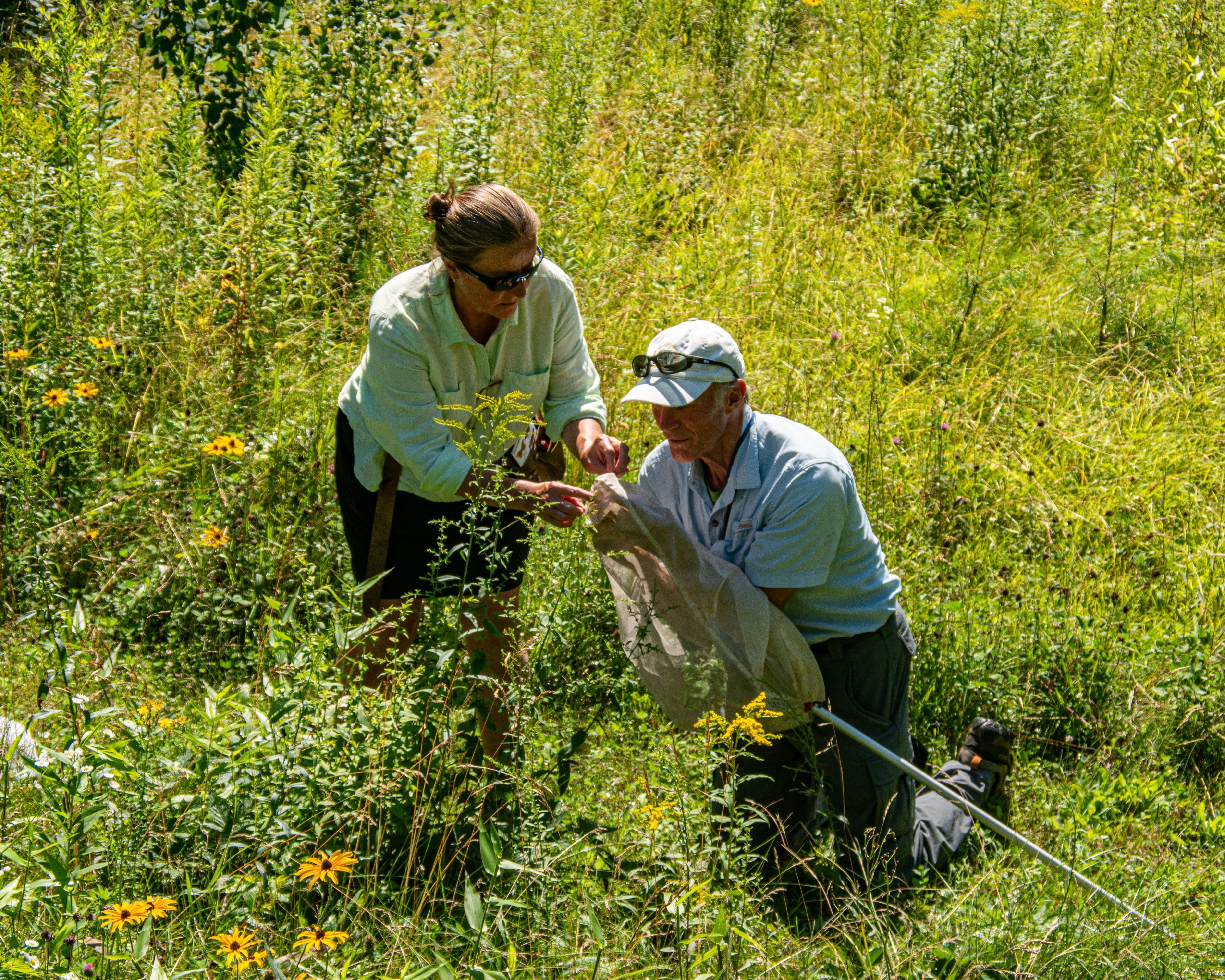
View the calendar of Nature Programs & Special Events
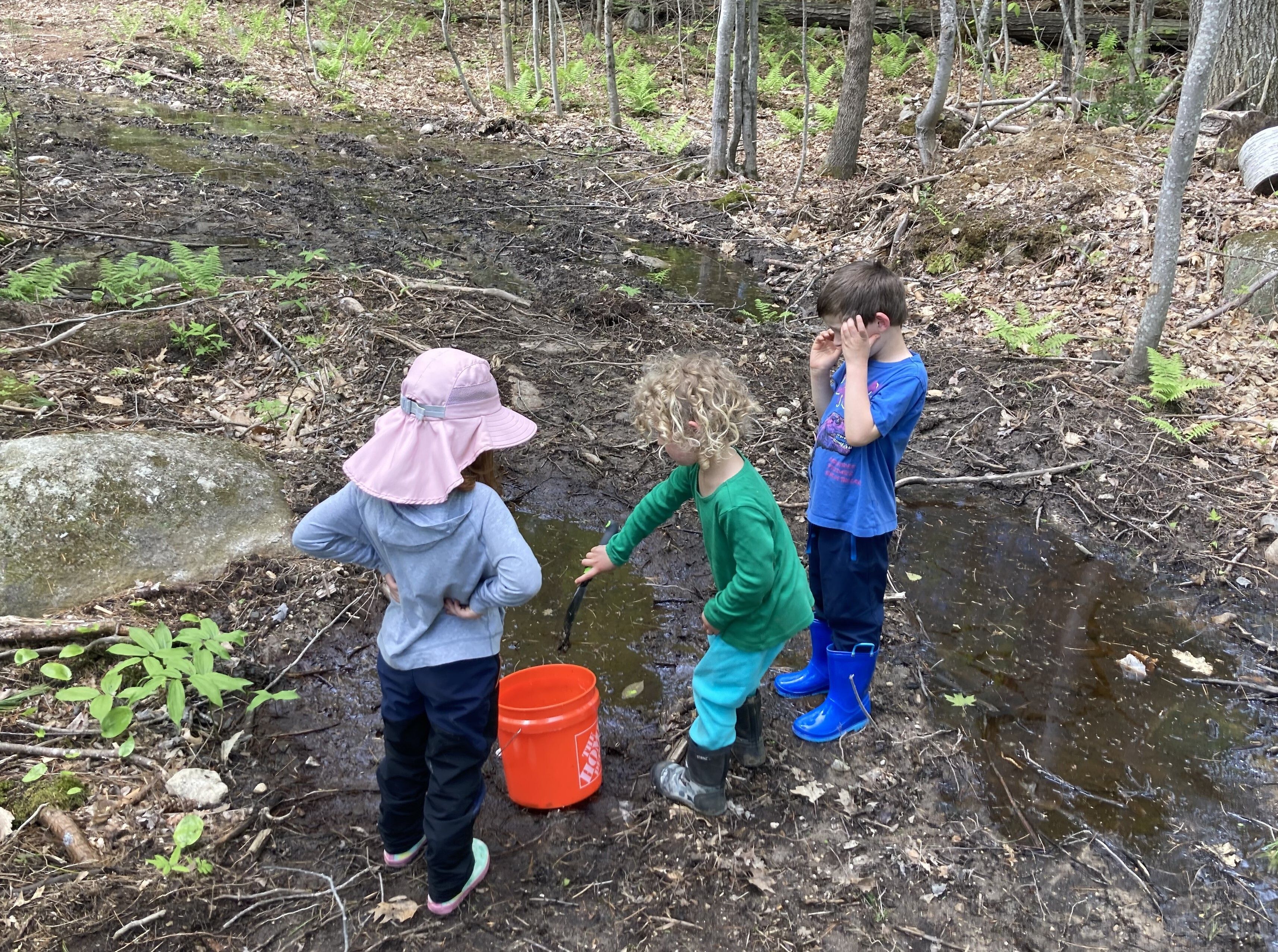
From forests and trees to frogs and salamander, and many topics in between, the curriculum of Tin Mountain's Homeschool Series is both broad and deep. Every week, students explore the fields, forests, and pond around the Nature Learning Center in Albany, using the outdoors as our classroom. Students experience natural sciences through hands-on, experiential learning activities. All classes are held predominantly outside except in cases of extreme weather. Students should dress accordingly.
Ages 6-9
$160/student for 8-week session (Sept 30-Nov 18)
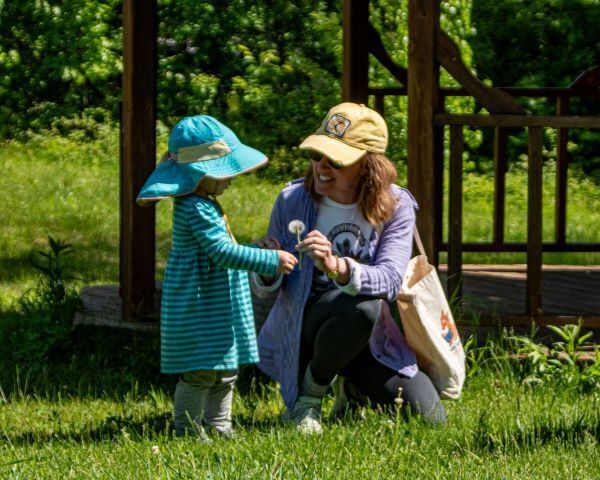
Tin Mountain Conservation Center is excited to announce the fall launch of its popular "Nature Nuts" program, a year-round outdoor adventure designed for young children (ages 3–5) and their parents or caregivers. The weekly 1.5-hour sessions provide a fun, structured environment to explore the natural world together under the guidance of Tin Mountain's experienced teacher-naturalists.
Program Details:
• When: Wednesdays from 10:00 AM – 11:30 AM (Starting September 30, 2026)
• Who: Children ages 3–5 alongside a parent or caregiver
• Where: Tin Mountain Nature Learning Center, Albany, NH
• Structure: Each 90-minute session includes themed outdoor exploration, a storybook reading, and a group snack.
• Cost: $5 per family, per session
Thanks to generous grant support from the Cogswell Benevolent Trust, Tin Mountain is able to offer this high-quality early childhood environmental education at an affordable $5 per family rate.
Advanced registration is helpful, but not required
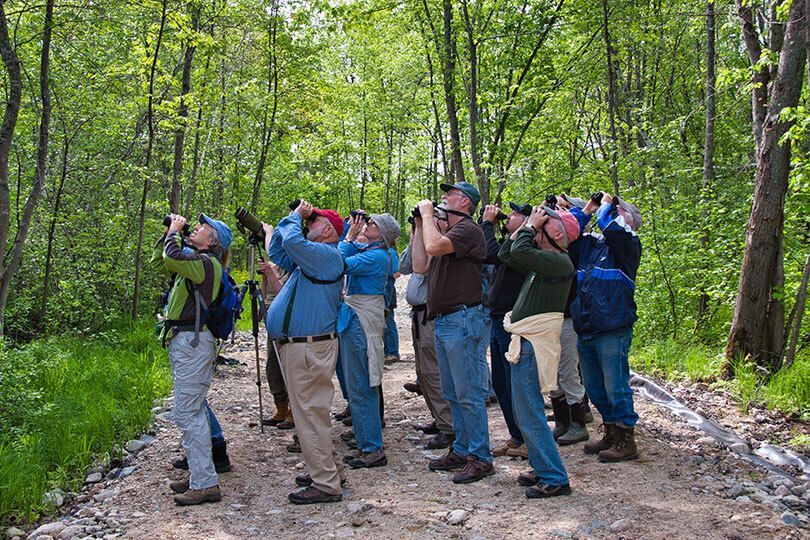
We don't want to miss out on the fall migration, so we are continuing our monthly bird walks! All birding levels welcome. These informal walks are a great way to both learn and share your birding knowledge.
Please let us know if you need to borrow binoculars.
October 8th: Thorne Pond, Bartlett 8am
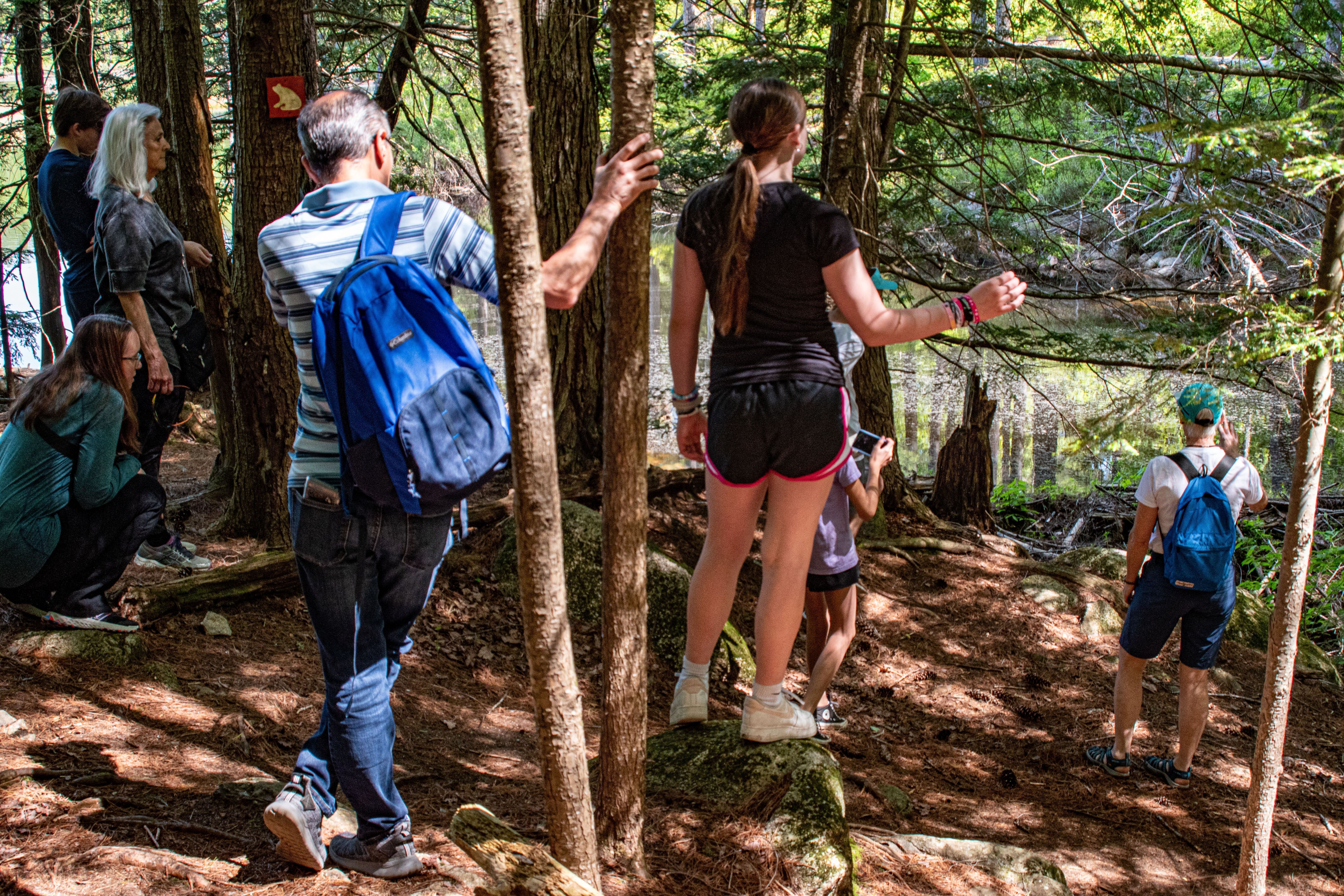
Explore Tin Mountain's beautiful Albany property with Outreach Coordinator, Heather McKendry. Late summer is a magical time of year to wander the woods and hone our senses to the many signs of the season. Are the flora and fauna showing signs of fall? Let's discover what, and who, is around the next bend in the trail.
The walk is approximately 2.5 miles and includes uneven terrain; please plan accordingly and dress for the weather. We will gather at the Nature Learning Center and leave from there.
$15 per person/$25 per household/$5 for TMCC members
Pre-registration welcomed, but not required.
We've been tidying up this fall and consolidating our gear. Swing by and check out the canoes, kayaks, snowshoes, sleds, and other outdoor/environmental gear we're parting with.
Get some good gear at a great price and support environmental education in the process. It's win-win!
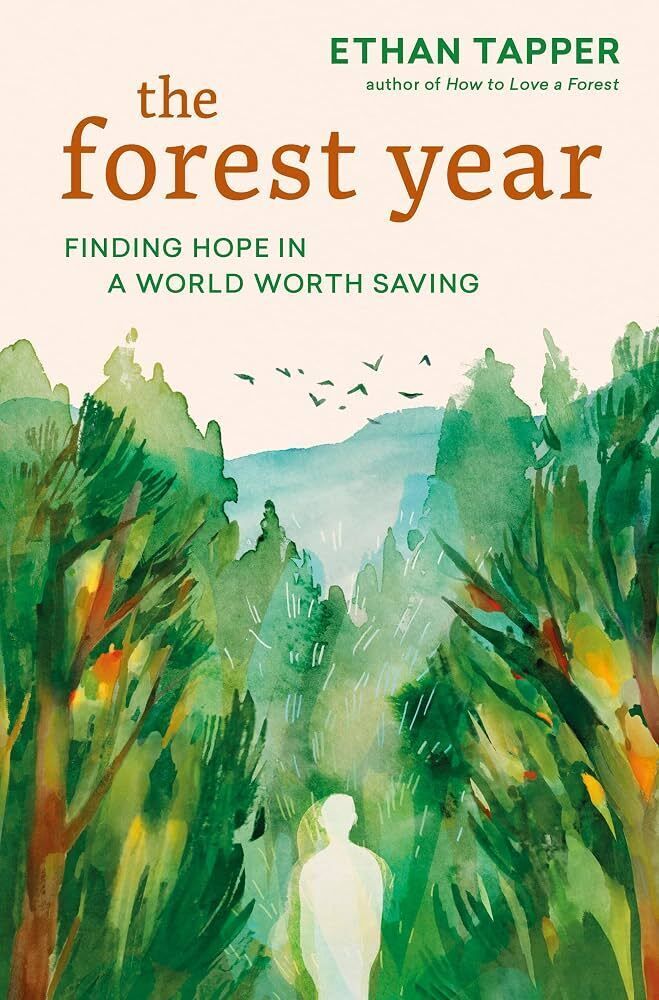
Tin Mountain is excited to host Ethan Tapper as he shares his second book: The Forest Year: Finding Hope in a World Worth Saving.
Tapper’s groundbreaking first book How to Love a Forest offered a pragmatic and hopeful vision for our relationship with forests and other ecosystems. His new book, The Forest Year, lives inside the practice of staying, caretaking, and paying attention. Following the author’s forest through a year of life, the book explores flowers, birds, forest ecology, biodiversity, while also reflecting on stewardship, community, and what it means to be rooted in place.
The Forest Year is a meditative and lyrical ode to the land, weaving complex scientific and ecological concepts with beautiful narrative prose, making nuanced ideas easy to understand and deeply resonant. Both place-based and practice-driven, Tapper writes not as an armchair philosopher or an academic, but as a working forester and ecologist stewarding real forests in real time, blending emotional insight with ecological rigor. A moving account of what it means to persist in the face of change and to love a place through work, compromise, sacrifice, and humility, this book will inspire readers to think deeply about where they live and who they are.
Books will be available for purchase. They can also be purchased in advance through White Birch Books Here: https://www.whitebirchbooks.com/item/gN8_NlABPVUVSBJkGp22dw

Eat delicious pizza and support Tin Mountain – it’s a win-win!
Here’s how it works – visit Flatbread on Tuesday 10/13 and a portion of all pizza sales will be donated to Tin Mountain.
Tin Mountain Conservation Center is excited to announce the fall launch of its popular "Nature Nuts" program, a year-round outdoor adventure designed for young children (ages 3–5) and their parents or caregivers. The weekly 1.5-hour sessions provide a fun, structured environment to explore the natural world together under the guidance of Tin Mountain's experienced teacher-naturalists.
Program Details:
• When: Wednesdays from 10:00 AM – 11:30 AM (Starting September 30, 2026)
• Who: Children ages 3–5 alongside a parent or caregiver
• Where: Tin Mountain Nature Learning Center, Albany, NH
• Structure: Each 90-minute session includes themed outdoor exploration, a storybook reading, and a group snack.
• Cost: $5 per family, per session
Thanks to generous grant support from the Cogswell Benevolent Trust, Tin Mountain is able to offer this high-quality early childhood environmental education at an affordable $5 per family rate.
Advanced registration is helpful, but not required
The Nature Learning Center at Tin Mountain's Albany campus will be closed for a private event. The trails are open dawn to dusk.
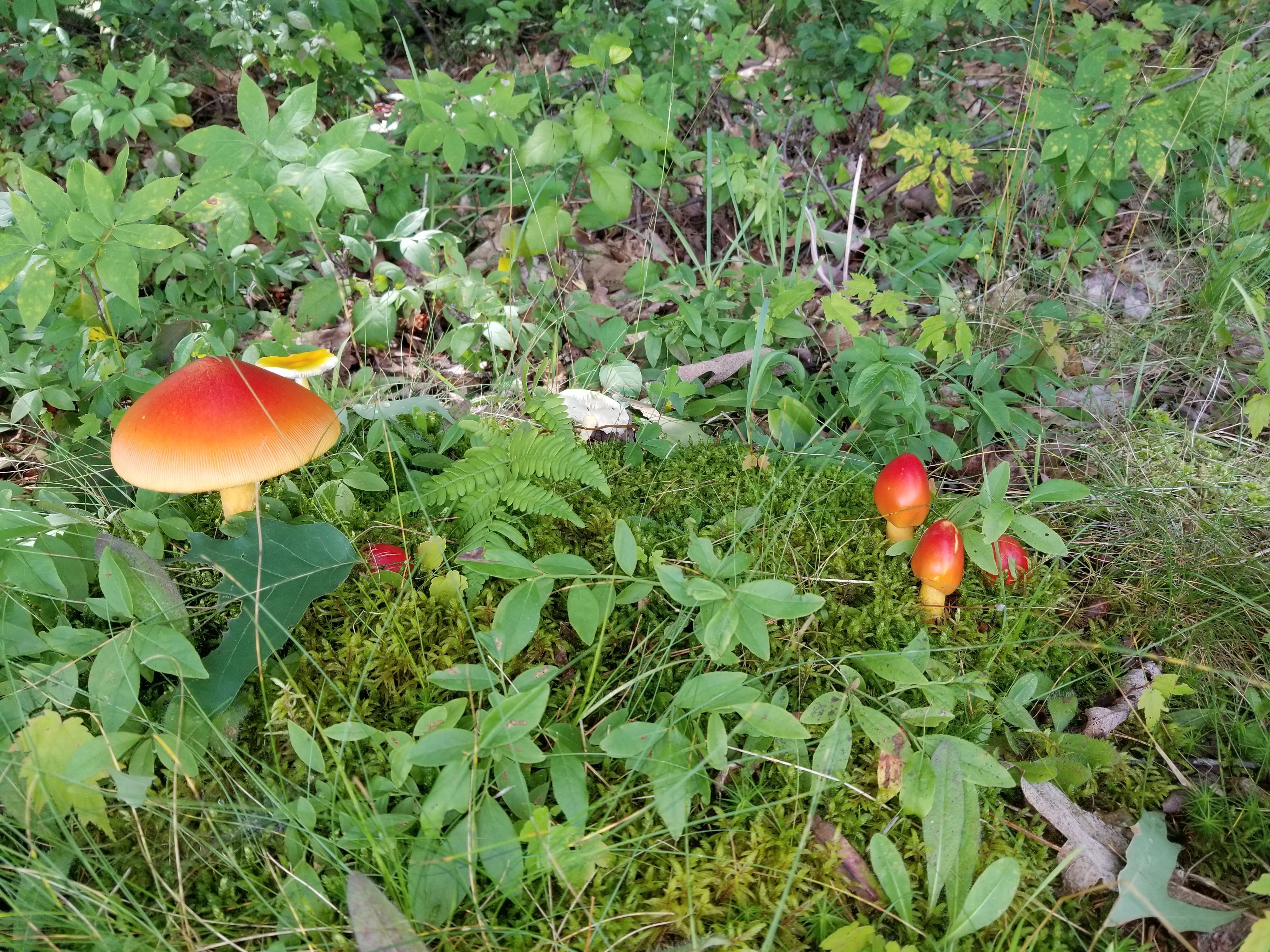
Join NH Mushroom Company’s Eric Milligan for a fabulous fall fungi foray! Beginners and practiced mycologists alike will enjoy this exploration. We will discuss the mushrooms we encounter in the Rockwell Sanctuary, including their edibility.
Program fee: $10/member and $20/non-member.


